Commercial Power Washers for Business: Choosing the Right Setup
For businesses, a commercial power washer isn’t just a tool – it’s an operational asset.
Whether you’re generating revenue from cleaning or supporting internal operations, the equipment you choose affects speed, labor efficiency, and long-term costs.
If you need a baseline understanding, start with this overview of commercial power washers. Read Overview
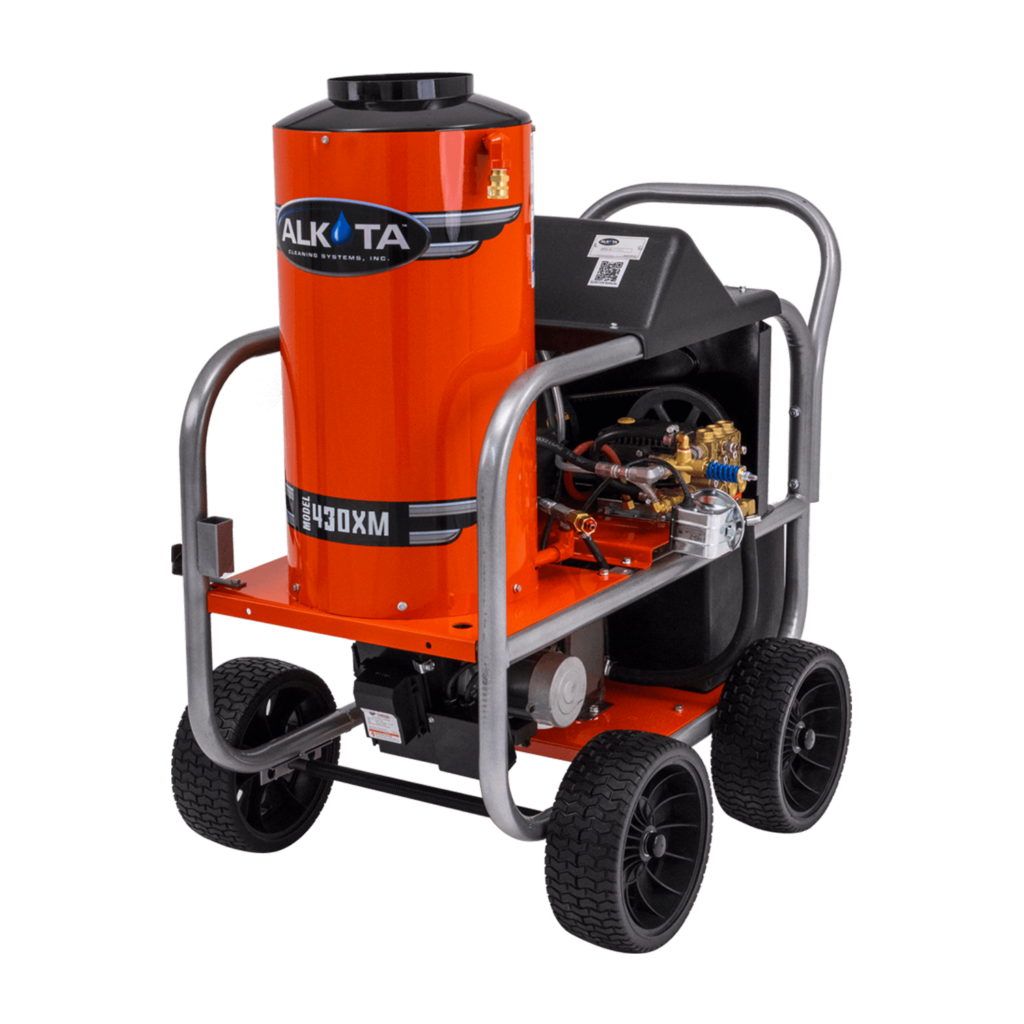
Start With How Your Business Operates
Before choosing equipment, define how cleaning fits into your business. A contractor, a fleet operator, and a manufacturing facility all use commercial power washers differently. The right setup depends on whether cleaning is your product or a support function.
Your answers define the category of commercial power washer you need and how far you should scale your investment.
Ask yourself:
- Are you selling pressure washing as a service or supporting another core business (like transportation or manufacturing)?
- Are your customers mostly residential, commercial, industrial, or agricultural?
- Do you need a mobile setup to visit customer sites, or a fixed station inside your facility?
Finding the Right Fit for Your Industry
Different environments demand different configurations. Here is how core industries tackle their specific cleaning requirements.

Contractors and Service Businesses
For contractors, commercial power washers directly generate revenue. Speed, mobility, and versatility matter most. Higher flow rates often increase job throughput, while hot water systems allow you to take on more demanding work. Trailer-mounted systems become important as businesses grow, allowing operators to work independently of job-site utilities.
Fleet and Transportation Operations
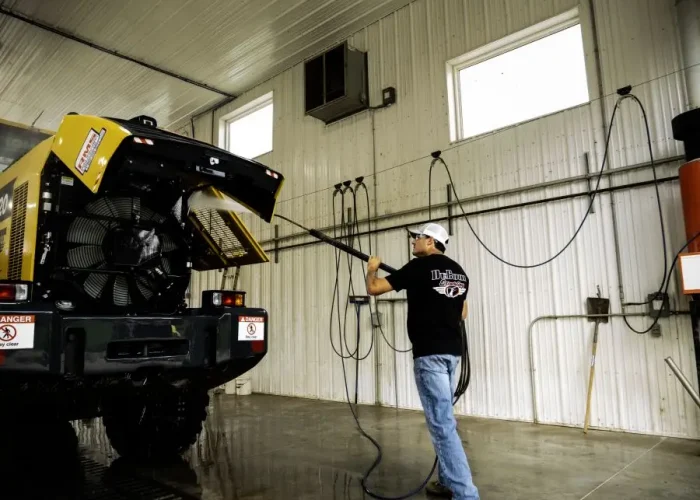
Fleet operators need consistent, repeatable cleaning processes. Here, commercial power washers support maintenance and brand image. Systems are often installed in wash bays or integrated into mobile setups for flexibility. Hot water is typically preferred for efficient removal of road film and grease.
Industrial and Manufacturing Facilities
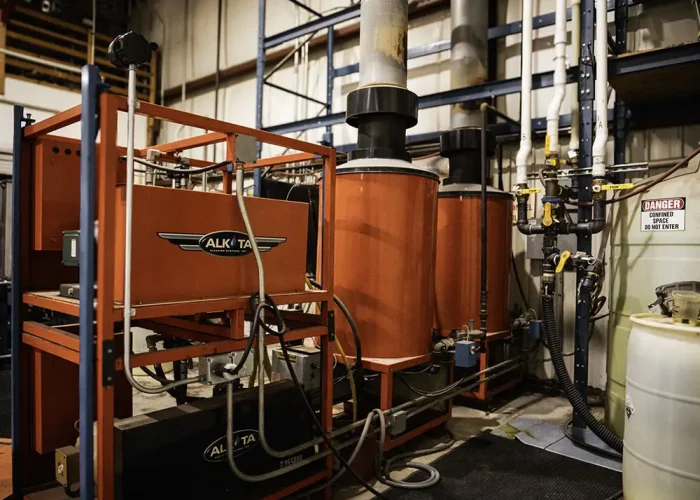
In industrial environments, cleaning is tied to safety and compliance. Equipment is often stationary or integrated into facility systems. Electric hot water units are common due to indoor use and emissions requirements. Reliability and uptime matter more than mobility.
Food and Sanitation Environments
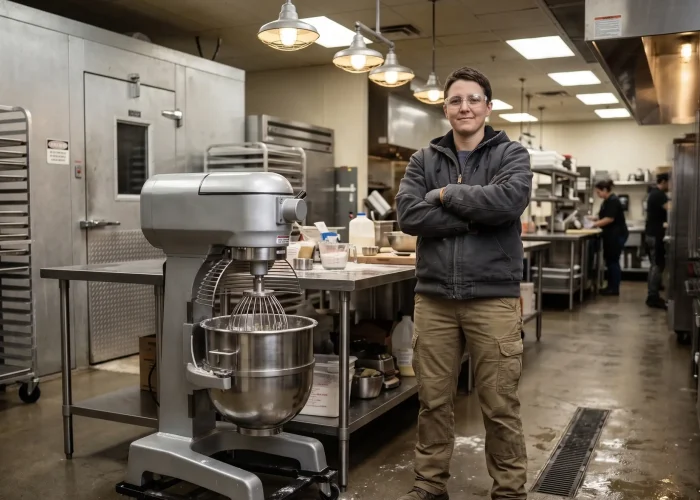
In food processing and similar industries, cleaning requirements are stricter. Hot water systems are standard, and electric configurations are preferred indoors. Equipment must balance cleaning power with control to avoid damaging sensitive surfaces.

Agriculture and Remote Operations
Agricultural businesses prioritize durability and mobility. Fuel-powered machines and trailer systems are common, allowing operators to clean equipment and facilities without relying on fixed infrastructure.
In-House Teams vs Service Providers
In-house teams typically prioritize ease of use and reliability, while service businesses prioritize speed and versatility. The same commercial power washer may be overbuilt for one use case and essential for another.
Planning for Growth
Many businesses outgrow their first machine. Choosing a system that can scale – whether through higher output, added mobility, or expanded capabilities – can prevent costly upgrades later.
Work With an Alkota Distributor
The most effective setups come from aligning equipment with how your business actually operates. Alkota distributors help configure complete systems designed for your workload, environment, and growth plans.