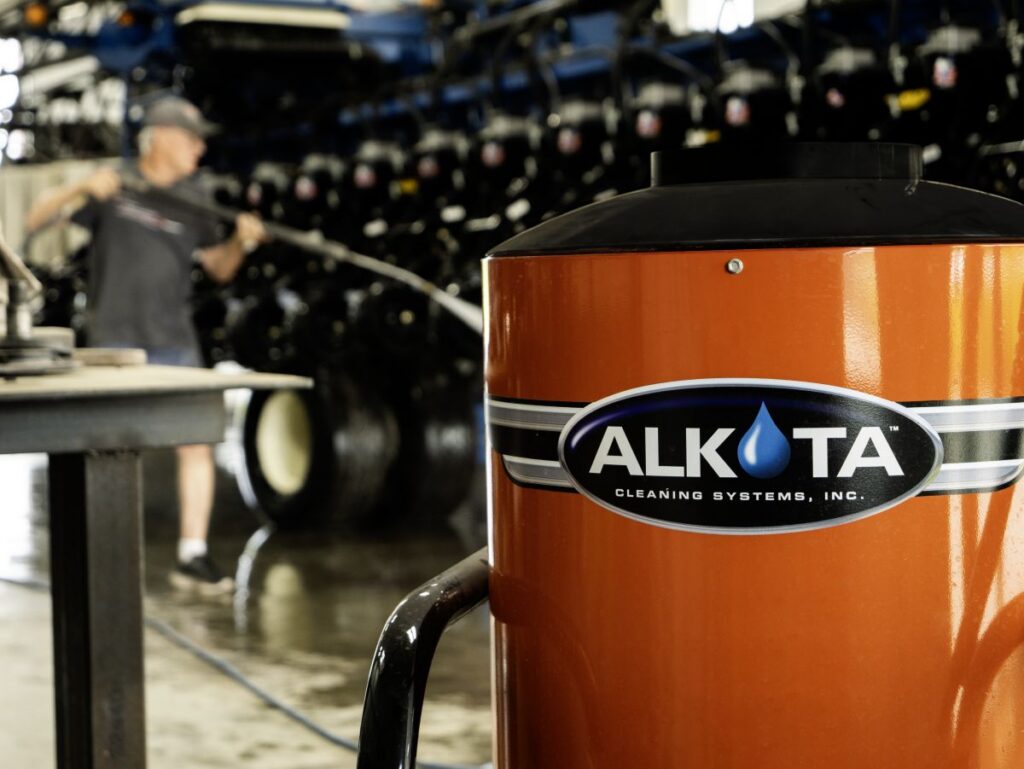
For businesses that deal with grease, oil, heavy grime, or industrial buildup, a hot water pressure washer is often the most powerful and efficient cleaning solution available.
From construction sites and trucking fleets to manufacturing facilities and agricultural operations, hot water pressure washers are designed to remove contaminants that cold water systems simply cannot handle effectively.
However, choosing the right machine requires understanding key performance factors, including PSI, GPM, heating capability, durability, and application requirements.
This buyer’s guide explains what commercial and industrial buyers should know before investing in a hot water pressure washer.
Why Hot Water Pressure Washers Are More Effective
Hot water dramatically improves cleaning efficiency. The combination of heat, pressure, and detergents breaks down grease and oil far more effectively than cold water alone.
Industries that benefit most include:
- Construction
- Transportation
- Agriculture
- Manufacturing
- Heavy equipment maintenance
Hot water also reduces the need for aggressive chemicals, which can lower operating costs and environmental impact.
Understanding PSI vs GPM
When comparing pressure washers, two specifications matter most.
PSI – Pounds Per Square Inch
PSI measures the force of the water stream. Higher PSI allows the washer to remove stubborn debris or hardened materials.
GPM – Gallons Per Minute
GPM measures water flow volume. Higher GPM improves rinsing power and cleaning speed. For commercial applications, the combination of PSI and GPM determines overall cleaning power. Many industrial buyers prioritize higher GPM because it cleans large surfaces faster.
Key Features Industrial Buyers Should Consider
Heating System
Hot water pressure washers typically use diesel, kerosene, or natural gas or propane burners to heat water.
A reliable heating coil is essential for consistent temperature and durability.
Pump Quality
Commercial machines often use triplex pumps, which offer greater longevity and repairability compared to consumer-grade pumps.
Frame Construction
Industrial units should have powder-coated or stainless steel frames designed to withstand harsh environments.
Portability
Depending on the application, buyers may choose between stationary units or trailer-mounted pressure washers.
Detergent Injection
Chemical injection systems allow operators to apply degreasers and cleaners efficiently.
Questions Buyers Frequently Ask
Is hot water necessary for pressure washing?
For grease, oil, and industrial grime, hot water dramatically improves cleaning performance.
Are hot water pressure washers worth the cost?
Yes, for commercial operations. They reduce cleaning time and chemical usage, which lowers long-term costs.
How hot does the water get?
Most commercial machines heat water between 180°F and 200°F, which helps break down grease and sanitize surfaces.
Choosing a Commercial-Grade Pressure Washer
Industrial buyers should focus on durability and serviceability.
Reliable brands design pressure washers with:
- Heavy-duty pumps
- Commercial heating systems
- Industrial frames
- Long service intervals
Investing in a well-built machine ensures consistent cleaning performance for years.
A hot water pressure washer is one of the most valuable tools for businesses that handle heavy equipment, grease buildup, and industrial cleaning tasks.
By understanding PSI, GPM, heating systems, and durability factors, buyers can confidently select the right machine for their operation.
The right pressure washer improves cleaning speed, reduces labor costs, and delivers consistent results across demanding environments.
Let’s Get Cleaning
Once you understand your cleaning applications, budget, and performance requirements, the next step is to choose a specific hot water pressure washer that aligns with your operation. Review your PSI and GPM needs, decide on the right fuel and configuration, then work with your local Alkota dealer to select a model that will deliver the heat, durability, and reliability your team depends on every day.