Thank you for signing up for Alkota’s Ultimate Pressure Washer Guide.
Choosing industrial cleaning equipment isn’t just about picking a machine – it’s about understanding how pressure, heat, flow, fuel, runtime, and accessories all work together to support your operation. Whether you’re new to pressure washers or upgrading an existing fleet, this guide simplifies the decision-making process.
In the following pages, we’ll walk through how pressure washers work, how to choose the right machine for your application, how to maximize performance with accessories, and how to protect your investment through proper maintenance.
Let’s begin with the fundamentals.
One of the most common questions we hear is whether a customer needs a hot water or cold water pressure washer. The answer depends entirely on what you are cleaning and how often you’re cleaning it.
Cold water pressure washers are highly effective at removing dirt, mud, and loose debris. They are often ideal for agricultural applications, construction sites, and general property maintenance. They offer lower upfront costs and simpler operation, making them a strong choice for many environments.
Hot water pressure washers, however, dramatically increase cleaning efficiency when grease, oil, and heavy grime are involved. Heat breaks down contaminants at a molecular level, reducing cleaning time and detergent usage. In industrial facilities, fleet maintenance, manufacturing, and food processing operations, hot water is often essential rather than optional.
If your operation routinely deals with oils, machinery residue, or sanitation requirements, hot water is typically the smarter long-term investment.
Many buyers focus solely on PSI (pounds per square inch), assuming higher pressure equals better cleaning. While pressure matters, true cleaning performance comes from balancing PSI with GPM (gallons per minute).
PSI determines the force of impact. GPM determines how quickly debris is rinsed away. When properly paired, they create effective, efficient cleaning power.
Instead of simply asking, “How much PSI do I need?” the better question is:
Cleaning power is not about maximum numbers – it’s about the right combination for your workload.
In certain industries, sanitation is just as important as debris removal. Steam cleaning uses lower pressure and higher heat to sanitize surfaces and break down heavy buildup.
Hot water combines both heat and pressure, delivering a balance of cleaning power and efficiency. Steam may be ideal for food processing environments or specialized sanitation needs, while hot water systems offer broader industrial versatility.
Understanding the difference ensures you select equipment that matches your compliance and cleaning requirements.
Hot water machines require a burner system to generate heat. Alkota offers several fuel configurations, each designed for different operational environments.
Your fuel choice will typically depend on:
Rather than selecting based solely on convenience, consider how your machine will be used daily. The right fuel configuration improves safety, efficiency, and long-term operating cost.
Once you understand the fundamentals, it becomes easier to narrow your options.
Alkota manufactures industrial-grade pressure washers designed for durability and performance across demanding environments. While every machine is built to last, different product lines are designed for different levels of use.
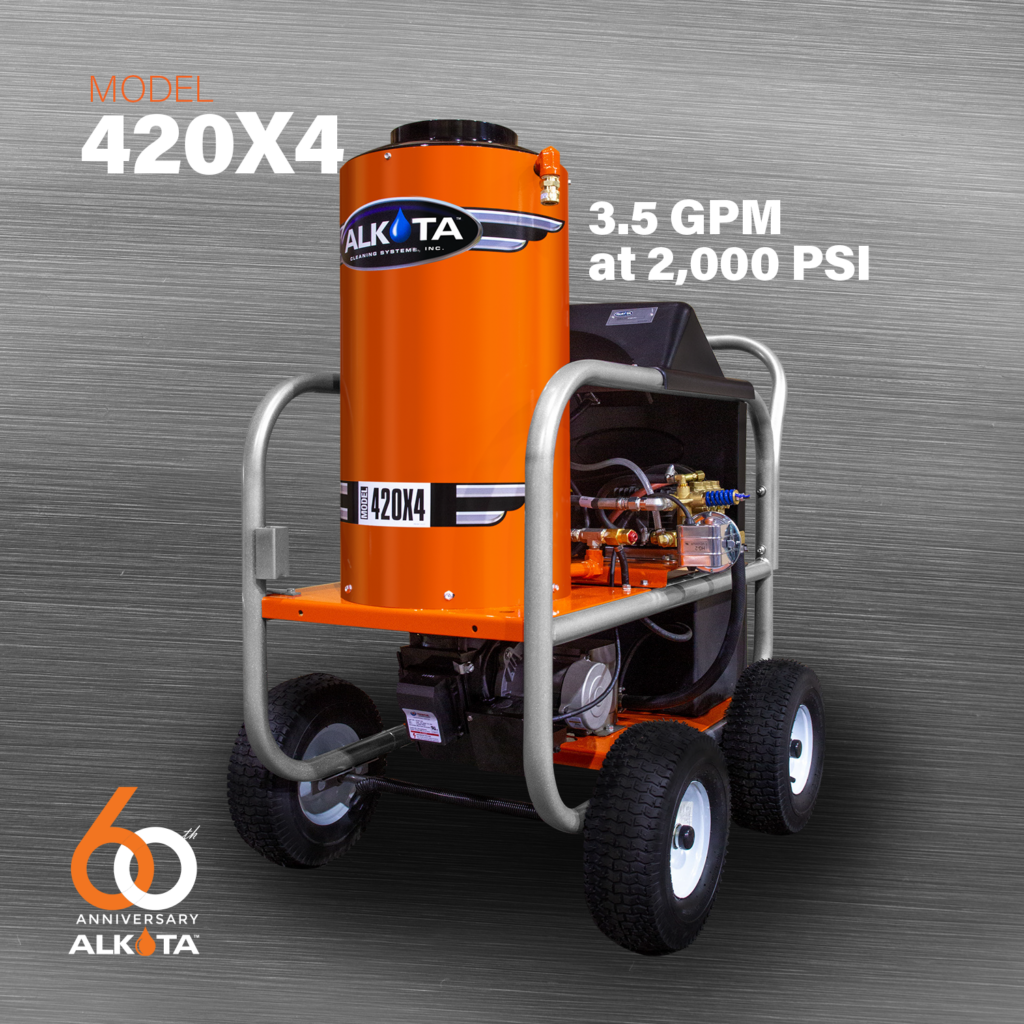
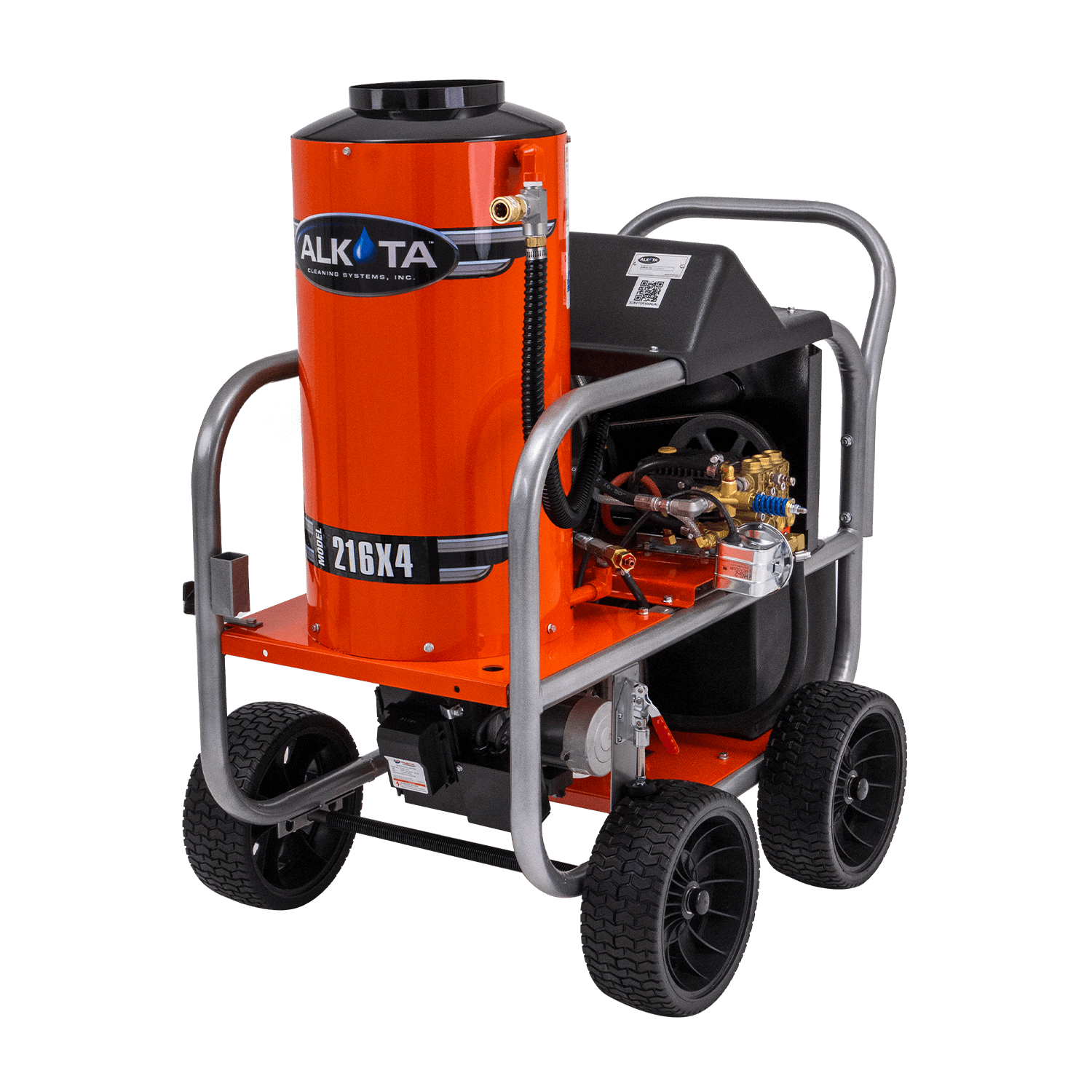
The X4 Series is one of Alkota’s most widely used and versatile lines. It offers a strong balance between power, portability, and durability, making it ideal for fleet washing, agriculture, light manufacturing, and general industrial cleaning.
For many customers, the X4 Series provides the right combination of:
If you are unsure where to begin, the X4 Series is often the most practical starting point.
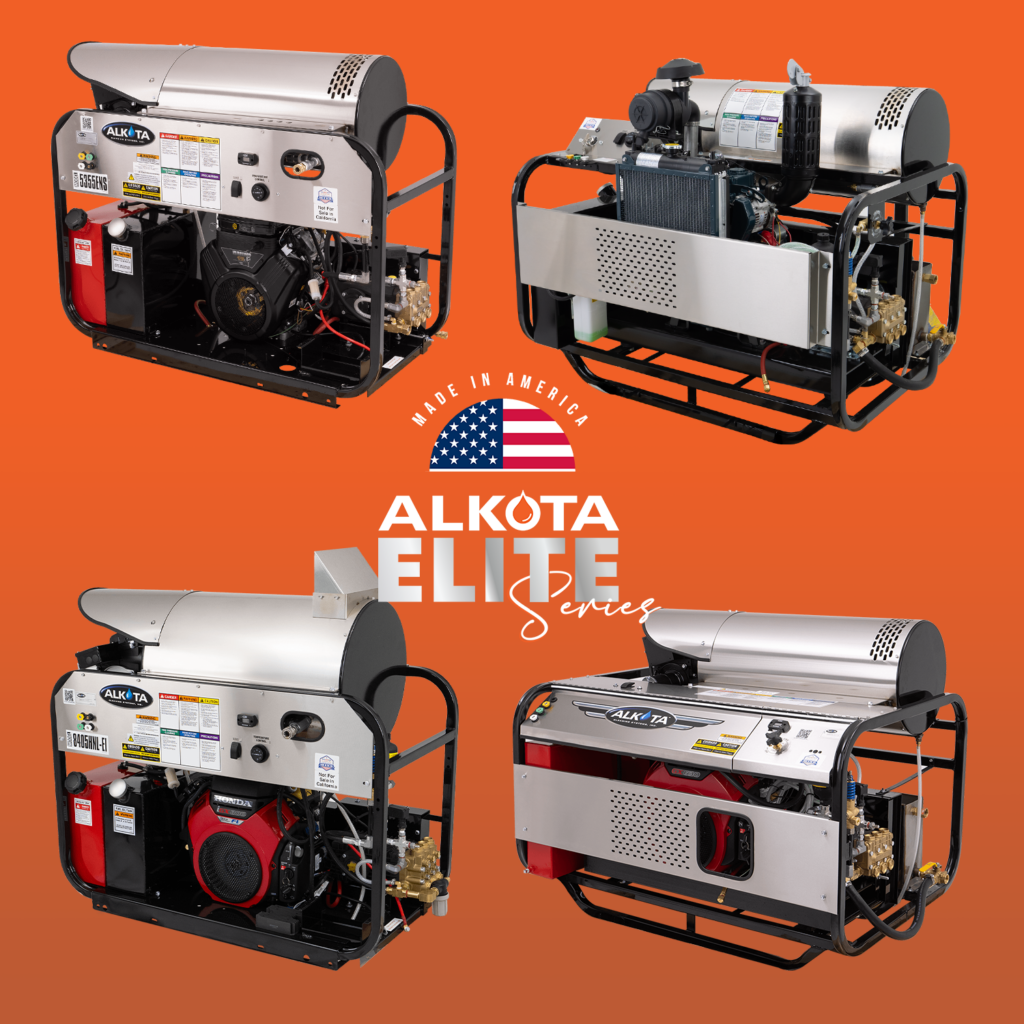
For operations requiring extended runtime, higher output, and heavy-duty durability, Alkota’s Elite Series is engineered to perform under pressure – literally and operationally.
The Elite Series is designed for:
These machines incorporate premium components and reinforced construction to support demanding duty cycles. If downtime is costly and reliability is critical, the Elite Series offers long-term peace of mind.
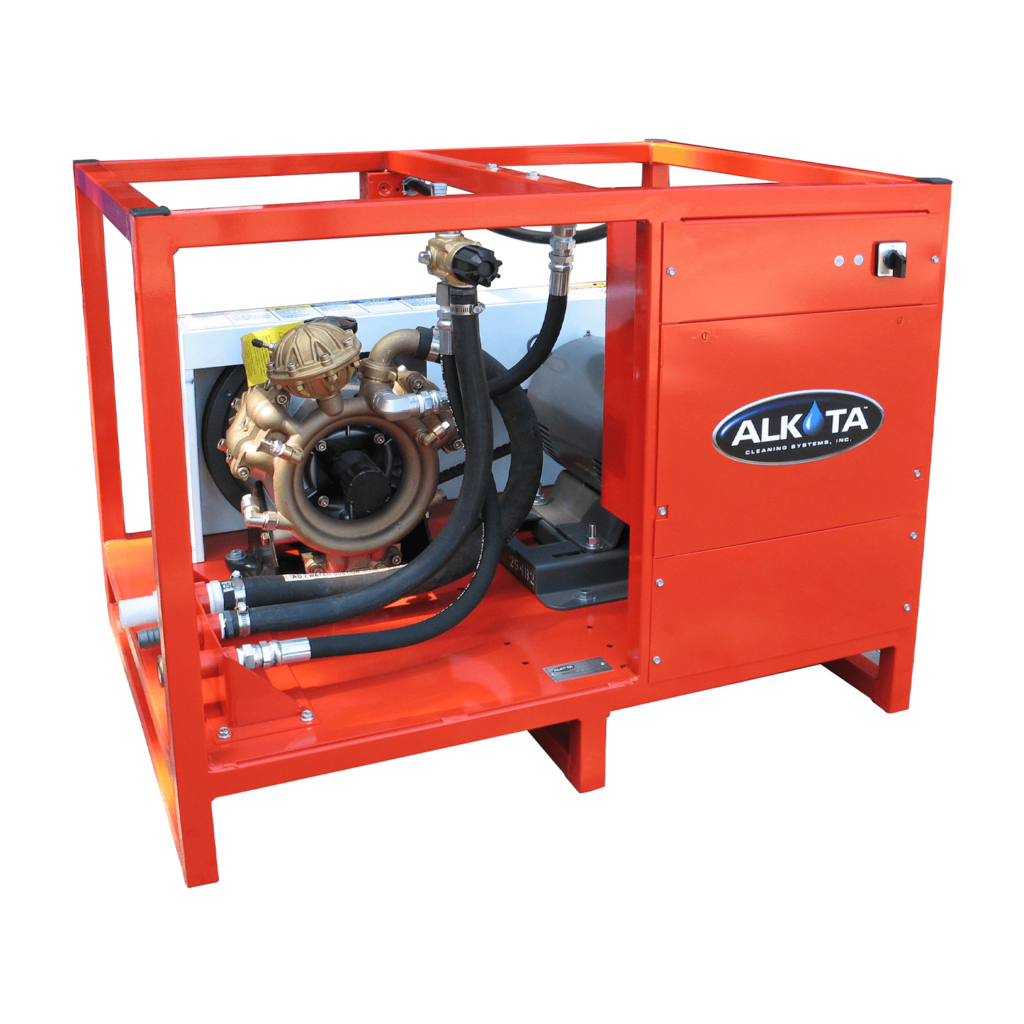
Alkota’s cold water machines provide rugged, straightforward cleaning solutions for environments where heat is not necessary. They are often selected for their simplicity and cost-efficiency while still delivering industrial-grade performance.
Cold water systems are especially effective in:
Selecting between hot and cold ultimately depends on the nature of your contaminants and frequency of use.
Even the best pressure washer can underperform without the right accessories. Matching tools to tasks significantly improves cleaning speed, efficiency, and safety.
Surface cleaners, for example, allow operators to clean large flat areas quickly and evenly. Parking lots, sidewalks, and shop floors can be cleaned faster and with less streaking compared to a standard wand.
Nozzles also play a critical role in performance. Spray angle determines impact concentration, and using the wrong nozzle can either reduce cleaning effectiveness or damage surfaces. Choosing the correct spray pattern ensures both efficiency and protection.
Specialty accessories such as jetter systems expand the machine’s capabilities beyond surface cleaning. Drain and pipe maintenance, for example, becomes far more manageable when using a properly matched jetter attachment.
When selecting accessories, consider:
Accessories are not add-ons – they are performance multipliers.
Industrial pressure washers are mechanical systems with moving parts, pumps, heating coils, and burner assemblies. Like any equipment, consistent maintenance determines longevity.
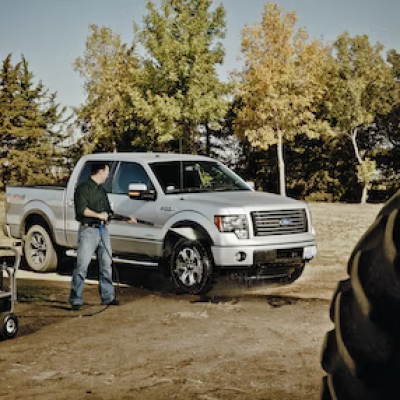
For new machines, the first 50 hours of operation are critical. This is the break-in period where initial inspections can prevent future problems.
At the 50-hour mark, operators should:
Early attention sets the stage for long-term reliability.
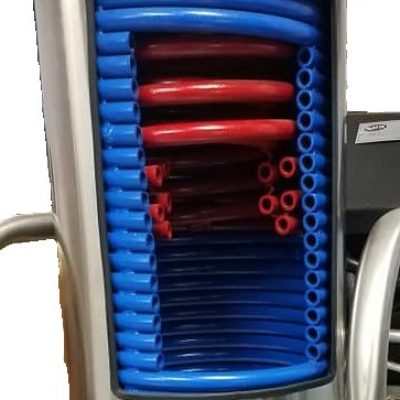
The pump is the heart of your pressure washer. Routine oil changes, seal inspections, and performance checks help significantly extend its lifespan.
For hot water machines, coil maintenance is equally important. Scale buildup and debris can reduce heating efficiency and increase strain on the system. Regular coil inspections ensure optimal performance and fuel efficiency.
Alkota supports its hot water machines with a 7-Year Coil Warranty* – a reflection of confidence in our engineering and manufacturing standards.
If you notice reduced performance, common causes include worn nozzles, air leaks, pump wear, or insufficient water supply. Regular inspection and preventative maintenance dramatically reduce downtime.
Since 1964, Alkota has manufactured industrial pressure washers in the Midwest with a commitment to durability, reliability, and customer support.
When you choose Alkota, you gain:
We do more than sell machines – we support the full lifecycle of your equipment.
The right pressure washer is not just a purchase – it’s a long-term operational decision.
Start by identifying:
Once you’ve answered those questions, connect with your local Alkota dealer to build the right configuration for your needs.
Complete the form below to request a quote.